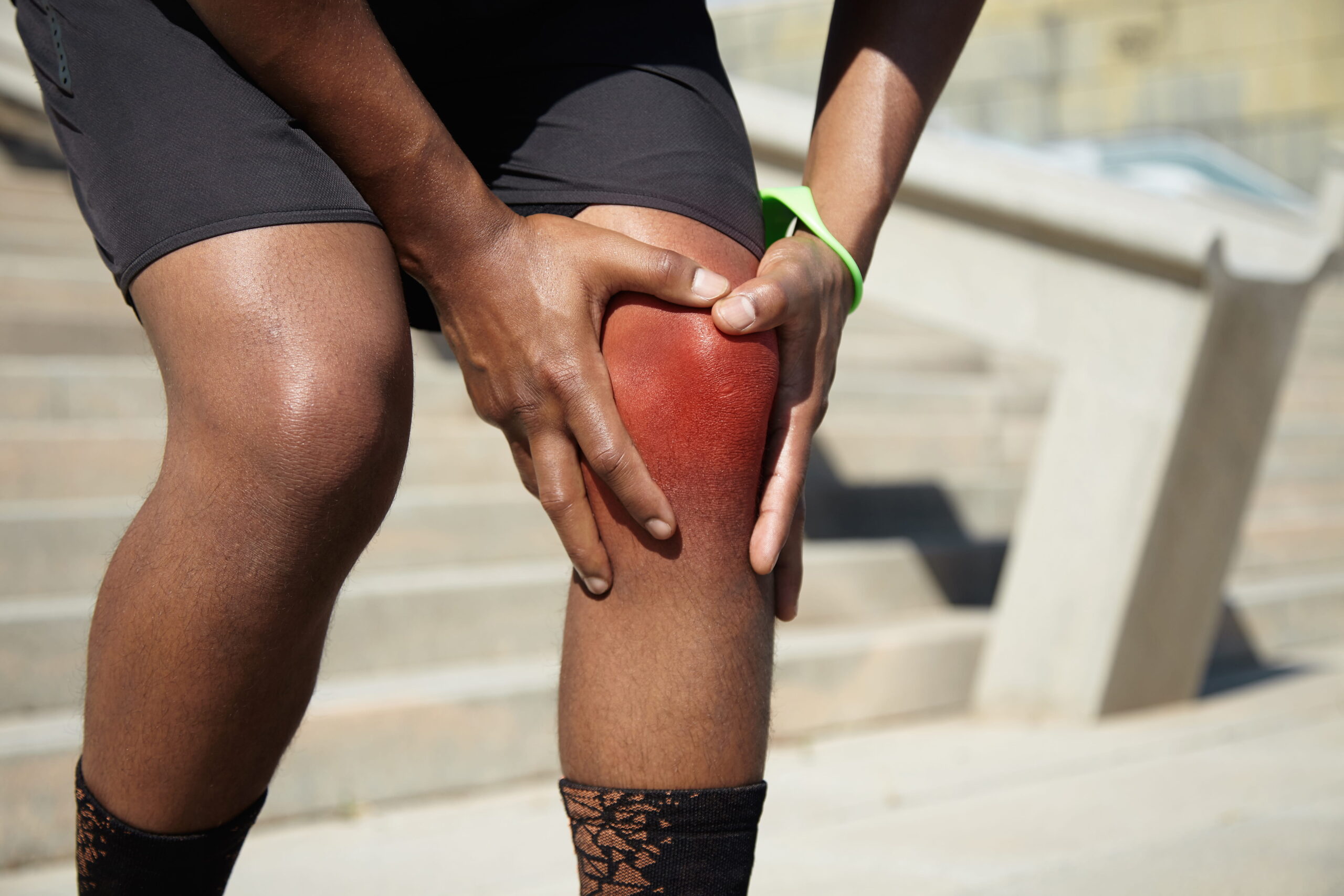

Orthopedic surgery is only one part of the recovery process. While the procedure addresses the underlying problem, your body still needs time, guidance, and movement to regain strength and function. That’s where physical therapy plays an important role.
Many patients in Henderson, Las Vegas, and Southern Nevada ask the same question after surgery. Do I really need physical therapy after orthopedic surgery?
In most cases, the answer is yes.
Surgery repairs damaged bones, joints, ligaments, or tendons. Physical therapy helps you restore mobility, rebuild strength, improve flexibility, and return to your normal routine as safely as possible.
At Orthopaedic Institute of Henderson (OIH), our physicians and physical therapists work together throughout your recovery. Because your rehabilitation plan is designed around your procedure and your goals, every stage of treatment supports the work your surgeon has already done.
Why Physical Therapy Matters After Orthopedic Surgery
Orthopedic surgery corrects the structural problem, but healing does not stop once the operation is over.
Following surgery, it’s normal to experience swelling, stiffness, muscle weakness, and reduced mobility. Scar tissue also begins to develop as part of the healing process. Without proper rehabilitation, these changes can make everyday movement more difficult and slow your recovery.
Physical therapy helps manage each of these challenges with guided exercises and hands-on treatment. Early movement helps control swelling, while strengthening exercises rebuild the muscles that support your joint. Manual techniques also help maintain flexibility and reduce restrictions caused by scar tissue.
Skipping physical therapy can affect your recovery more than many people realize. Delaying rehabilitation may lead to ongoing pain, limited movement, muscle weakness, or difficulty returning to everyday activities. Following a structured rehabilitation program gives your body the best opportunity to heal properly.
How OIH Helps You Recover After Surgery
Recovery Begins Right Away
At OIH, rehabilitation starts as soon as your treatment plan is in place.
Our physicians and physical therapists work closely together to help you recover safely, reduce pain, improve movement, and restore your independence as efficiently as possible.
Because your care team communicates throughout your recovery, every stage of therapy aligns with your surgical plan.
Every Treatment Plan Is Built Around You
No two surgeries or patients are exactly alike, so your rehabilitation program shouldn’t be either.
Your therapist develops a personalized treatment plan based on your procedure, your current condition, your mobility, and your recovery goals. Our therapists have also worked extensively with our physicians to develop rehabilitation protocols for every surgical procedure performed at OIH.
That means someone recovering from a rotator cuff repair will follow a very different plan than someone healing after a total hip replacement, and that’s exactly how rehabilitation should work.
Individual Attention During Every Visit
One of our goals is to help every patient leave each appointment feeling like they made meaningful progress.
Each session combines hands-on treatment with customized exercises that support your stage of recovery. To provide more individualized care, we limit the number of patients scheduled each day, allowing our therapists to spend more one-on-one time with every patient.
Treatments You May Receive
Depending on your condition and recovery stage, your physical therapy program may include:
- Manual therapy
- Instrument assisted soft tissue mobilization
- Dry needling
- Cupping
- Therapeutic exercise
- Balance training
- Gait analysis and training
- Scar mobilization
Why Pre-Operative Therapy Can Make Recovery Easier
Physical therapy is valuable before surgery as well as afterward.
OIH offers pre-operative therapy to help patients understand what to expect before their procedure and prepare for recovery with greater confidence.
During your appointment, your therapist evaluates your current strength, mobility, and range of motion. You’ll also learn exercises you’ll perform after surgery, practice using equipment such as crutches or a walker if needed, and understand what each phase of rehabilitation will involve.
Many patients find that preparing ahead of time makes the recovery process feel less overwhelming. Starting with better strength and a clear understanding of the rehabilitation plan can also help you move through post-operative therapy more confidently.
Orthopedic Conditions We Commonly Treat
Our physical therapy team provides rehabilitation for a wide range of orthopedic conditions and surgical procedures, including:
- Total knee replacement
- Total hip replacement
- Total shoulder replacement
- Rotator cuff repair
- Spinal surgeries and chronic low back pain
- ACL and meniscal repair
- Bursitis and arthritis
- Work and sports related injuries
- Ligamentous sprains
- Tendonitis
- Plantar fasciitis
Specialized Therapy That Supports Better Recovery
Recovery often involves more than strengthening exercises alone.
OIH offers advanced rehabilitation techniques that help patients improve movement, restore function, and return to their normal activities safely. These include the Titleist Performance Institute Golf Rehabilitation program and the Functional Movement Screen Injury Prevention and Rehabilitation Program.
Balance training and gait analysis are especially valuable after hip and knee replacement surgery. Relearning proper walking mechanics early can reduce unnecessary stress on other joints and improve overall movement.
Scar mobilization is another important part of recovery for many patients. Keeping scar tissue mobile helps maintain flexibility and reduces discomfort as healing continues.
What to Expect During Your Recovery
Every recovery is different, but most patients move through rehabilitation in several stages.
Phase 1. Early Recovery (Days 1 to 14)
The first stage of recovery is focused on helping your body heal while restoring safe movement. During this phase, your therapist will guide you through gentle activities that protect the surgical area without placing unnecessary stress on it.
- Reduce pain and swelling while improving gentle range of motion.
- Learn safe ways to move your joint without affecting the surgical repair.
- Practice everyday tasks such as getting in and out of bed, climbing stairs, and moving around your home safely.
Phase 2. Strengthening (Weeks 2 to 6)
As your body continues to heal, therapy gradually shifts toward rebuilding strength and improving stability. Exercises become more challenging, but every movement is introduced at the right pace for your recovery.
- Begin weight-bearing activities and targeted strengthening exercises as recommended.
- Perform each exercise under your therapist’s guidance to protect the surgical site.
- Strengthen the muscles that support and stabilize your joint for better function.
Phase 3. Advanced Training (Weeks 6 to 12 and Beyond)
Once you’ve regained strength and mobility, therapy focuses on preparing you for the activities you do every day. The exercises become more specific to your lifestyle, whether you’re returning to sports, work, or hobbies.
- Improve balance, coordination, proprioception, and functional movement.
- Athletes may progress to sport-specific movements such as cutting, jumping, or swinging.
- Daily activities like squatting, lifting, reaching, or gardening become part of your rehabilitation program.
- The goal is to help you move comfortably and confidently in your everyday life, not just during therapy sessions.
Staying Consistent Makes a Difference
One of the biggest factors in a successful recovery is consistency.
Attending your scheduled physical therapy appointments, completing your home exercise program, and communicating with your therapist all contribute to steady progress. Missing sessions or stopping therapy before your program is complete can make recovery take longer and limit your overall results.
Take the Next Step Toward a Stronger Recovery
If you’re wondering whether you need physical therapy after orthopedic surgery in Henderson, NV, the answer is simple. A structured rehabilitation program helps you regain strength, restore movement, and return to your normal routine with greater confidence.
Contact Orthopaedic Institute of Henderson to create a personalized, hands-on plan that respects your surgery and callenges your body to heal.
Get in touch with OIH Physical Therapy today:
Physical Therapy Clinic:
10561 Jeffreys St, Henderson, NV 89052, USA
Phone: 702-565-6565
FAQs
Yes. Physical therapy helps restore strength, mobility, and function after surgery while reducing stiffness and lowering the risk of complications during recovery.
Many patients begin physical therapy within a few days after surgery, although the timing depends on the procedure and your surgeon’s recommendations.
Recovery varies from person to person. Many rehabilitation programs last between six and twelve weeks, but the timeline depends on your surgery, overall health, and progress during treatment.
Skipping physical therapy can lead to stiffness, muscle weakness, reduced range of motion, ongoing pain, and a slower recovery.