
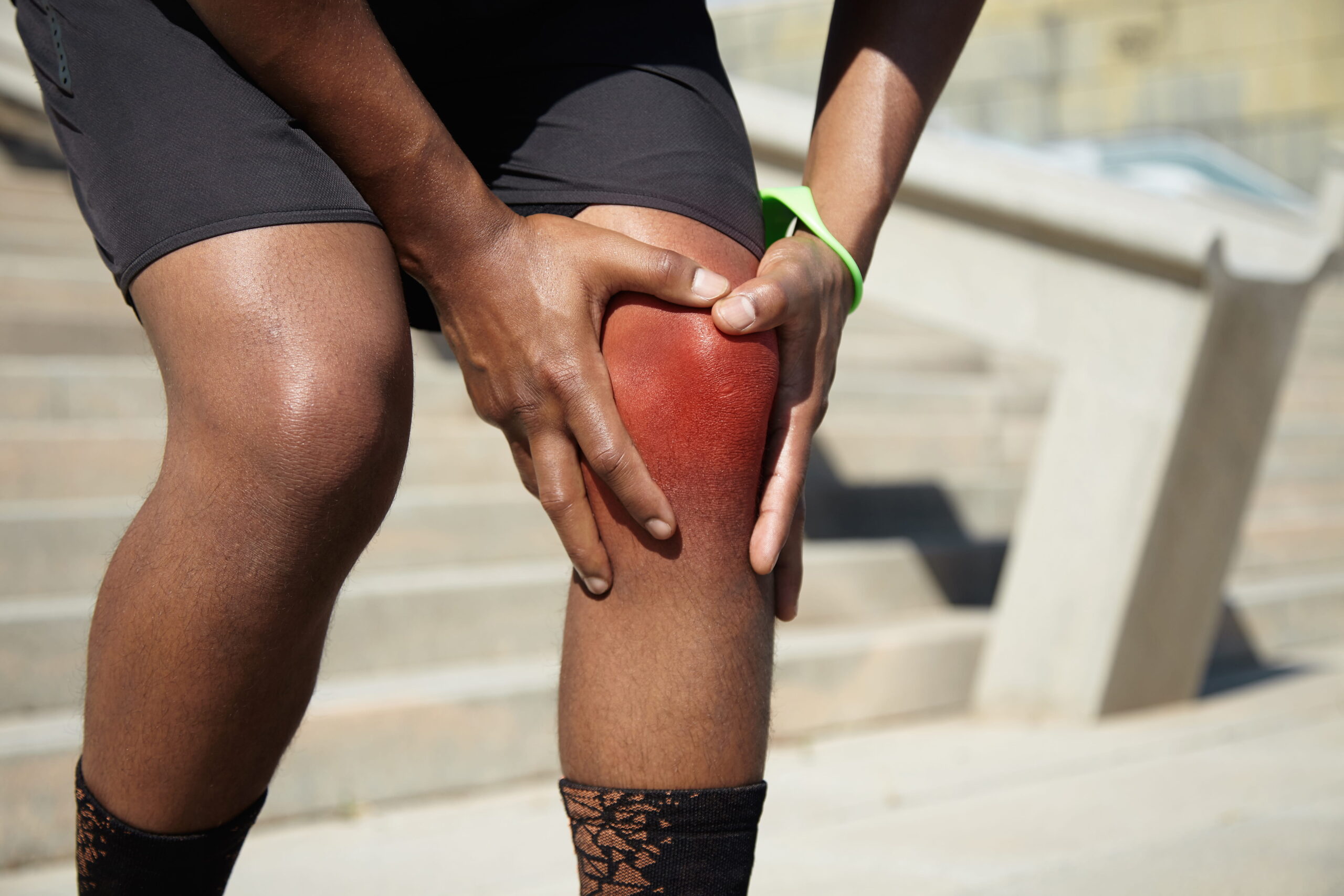
Sudden joint pain stops you right in your tracks. One minute you’re going about your day, and the next, a knee, shoulder, or hip hurts so badly that you can’t even finish what you were doing.
Unlike the gradual, dull ache of a joint that’s just overworked, sudden joint pain hits without warning. It might happen after a minor slip, an awkward twist, or a simple misstep off a curb. If you live in Henderson, your immediate reaction is usually: What just happened, and do I need to get this looked at?
At the Orthopaedic Institute of Henderson (OIH), we treat patients every single week who assumed sudden pain would just fade on its own. While that happens occasionally, waiting it out can sometimes do more harm than good. Finding the root cause early changes everything.
What Actually Causes Sudden Joint Pain?
Sudden joint pain generally stems from a few specific culprits. Identifying which category your pain falls into will help you figure out what to do next.
Acute Injuries, Trauma, and Fractures
A sudden fall, sports collision, or landing awkwardly can easily fracture a bone. Fractures come with immediate, sharp pain, usually followed by rapid swelling or bruising. If you can’t put weight on your leg or use your arm, that’s a major red flag. At OIH, we provide comprehensive fracture care, including realignment, casting, bracing, and surgery when it’s required.
Ligament sprains and tears are also immediate events. Twisting your knee or falling onto an outstretched hand can instantly tear your ACL, MCL, or other critical ligaments.
You might hear an audible “pop” or feel the joint completely give way. Dislocations, where the joint is physically forced out of its socket, are another source of intense, sudden pain, most commonly affecting the shoulders, knees, and fingers.
Overuse Injuries That Suddenly Flare Up
Conditions like tendinitis (inflammation of a tendon) often build up quietly over time, but a single wrong move can push it over the edge into sudden, sharp pain. Similarly, bursitis, which is inflammation of the fluid-filled sacs protecting your joints, can flare up overnight due to repetitive pressure or motion.
Sudden Arthritis Flares and Underlying Conditions
While osteoarthritis is typically a slow, wear-and-tear process, an acute flare-up can cause an unexpected wave of severe stiffness, swelling, and pain. This can also happen with post-traumatic arthritis, which can suddenly become painful years after an old injury healed.
Even if you manage your arthritis well, sudden changes in your activity level or even the local weather can trigger a sudden painful episode.
Mechanical Mistakes Inside the Joint
Sometimes the issue is physical debris. Loose bodies are tiny fragments of bone or cartilage floating inside a joint. If they get caught between moving surfaces, they can cause sudden, sharp pain, or cause the joint to lock up completely. Meniscus tears in the knee are also common mechanical issues; they often happen during a quick twist or squat, leading to immediate pain, swelling, and a catching sensation.
Red Flags: When to See an Orthopedic Specialist
Not every sudden ache means a trip to the doctor, but you shouldn’t ignore major warning signs. You should schedule an evaluation with an orthopedic specialist at OIH if you notice any of the following:
- Pain that doesn’t improve after 48 hours of rest and ice.
- An inability to bear weight on your leg or use your arm normally.
- Visible deformity, major swelling, or deep bruising around the joint.
- A joint that feels unstable, buckles, or completely gives way.
- Clicking, catching, or locking that physically stops you from moving.
- Pain lasting more than two to four weeks even when taking over-the-counter medication.
- Severe pain that wakes you up at night or disrupts your sleep.
- Sudden pain accompanied by a fever, redness, or skin that feels hot to the touch (this can signal a dangerous joint infection and requires immediate medical attention).
Letting these signs slide can turn a highly treatable, minor injury into chronic inflammation, permanent stiffness, or long-term joint damage.
What to Expect at Your OIH Evaluation
We keep our diagnostic process straightforward and thorough so you can get answers quickly.
- Step 1 – Consultation and History: Your specialist will want to know exactly how the pain started, what you were doing at the time, and what makes it feel better or worse. We’ll also review your medical history and daily physical habits.
- Step 2 – Physical Examination: Your doctor will carefully check your range of motion, strength, joint stability, and identify specific tender points through simple movements.
- Step 3 – On-Site Imaging: We offer same-day X-ray, MRI, and ultrasound right here in our office. X-rays let us check bone alignment and look for fractures, while MRIs visualize soft tissues like ligaments, tendons, and cartilage. Ultrasound allows us to see real-time inflammation in your tendons. Having this on-site means you don’t have to wait weeks for external scan results.
- Step 4 – Personalized Treatment Plan: Your doctor will explain your diagnosis in plain English, and we will work together to review your options—prioritizing conservative, non-surgical care whenever possible.
Your Treatment Options at OIH
We offer everything from conservative, non-invasive therapies to advanced surgical interventions to get you back on your feet.
Non-Surgical First-Line Treatments
- Rest, activity modification, and custom bracing to protect the joint while it heals.
- Physical therapy and targeted rehabilitation to rebuild your strength and flexibility.
- Targeted anti-inflammatory medications to bring down swelling and ease pain.
- Corticosteroid injections to provide rapid relief from severe inflammation.
- PRP (platelet-rich plasma) injections to help stimulate your body’s natural healing processes.
Minimally Invasive Procedures
- Arthroscopy to cleanly remove loose bodies, trim damaged cartilage, or clear out inflamed tissue.
- Arthroscopic repairs to fix specific ligament or meniscus tears with minimal downtime.
Advanced Surgical Options
- Fracture fixation using hardware to safely realign and stabilize broken bones.
- Ligament reconstruction (like ACL repairs) using graft tissue to restore stability.
- Cartilage restoration procedures to repair worn joint surfaces.
- Partial or total joint replacement for advanced, end-stage arthritis or severe joint damage.
Surgery is never our first choice. Our surgeons always exhaust every conservative, non-surgical option before discussing an operation.
Why Getting Checked Early Matters
Trying to “tough out” sudden joint pain often turns a highly treatable issue into a chronic, long-term problem. A minor cartilage fragment or a partial ligament tear caught early might only require a short round of physical therapy or a targeted injection. Left alone, that same injury can progress to a full tear, accelerated bone-on-bone arthritis, or permanent loss of mobility. Early care means a faster recovery and a much simpler treatment plan.
Quick Tips to Protect Your Joints
While you can’t predict every accident, you can lower your risk of sudden injury with a few habits:
- Build strength around your hips, knees, and shoulders to naturally stabilize your joints.
- Always warm up before jumping into sports or heavy lifting.
- Wear supportive footwear and practice proper form during exercise.
- Listen to your body, sharp pain is a stop sign, not a challenge to push through.
Take the Next Step
Sudden joint pain shouldn’t put your life on hold. At the Orthopaedic Institute of Henderson, our team combines advanced on-site diagnostics with personalized treatment plans to target the root cause of your pain and restore your mobility.
Don’t wait for the pain to get worse. Reach out to our Henderson office today or book your orthopedic evaluation online to get back to an active, pain-free life.
FAQs
Sudden joint pain without an obvious injury can result from arthritis flare-ups, bursitis, tendonitis, or inflammation inside the joint.
You should see a doctor if your joint pain is severe, lasts more than a few days, limits movement, or is accompanied by swelling or redness.
Some minor joint injuries improve with rest, but persistent or worsening pain should be evaluated by an orthopedic specialist.
An orthopedic specialist may use a physical examination along with X-rays, MRI, or ultrasound to identify the cause of sudden joint pain.
The best treatment depends on the cause and may include rest, physical therapy, medications, injections, or surgery when necessary.
